One Day Safari (Sharing) inside Chitwan National Park
Full-day multi-activity safari with canoeing, jungle walk, and jeep safari in Chitwan
Show inclusions & important info
Includes
- Priority access
- Skip the queue
- Mobile voucher
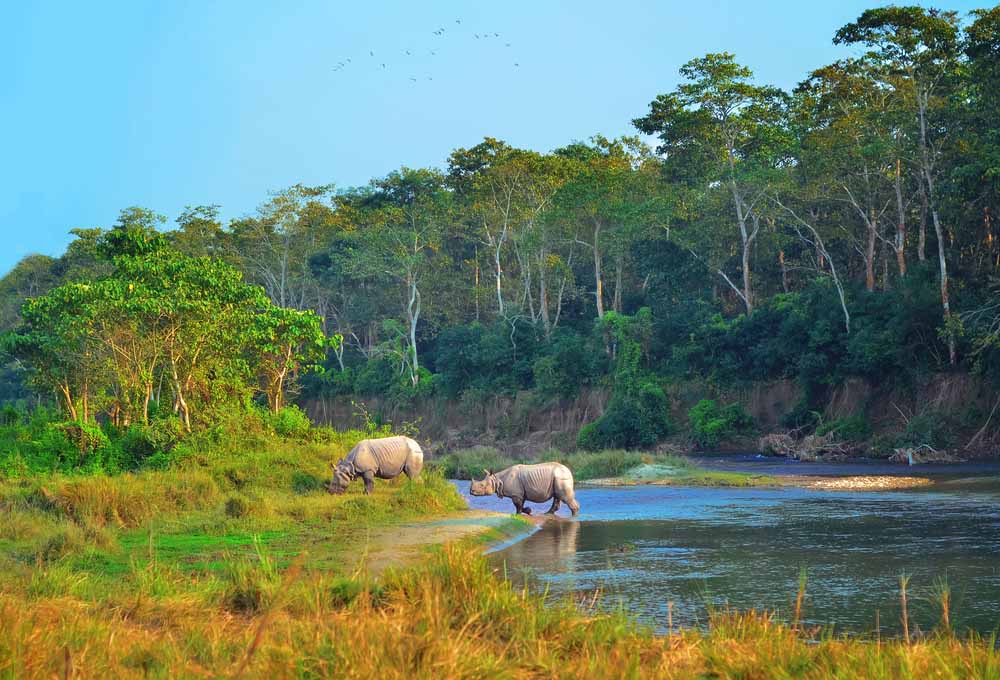
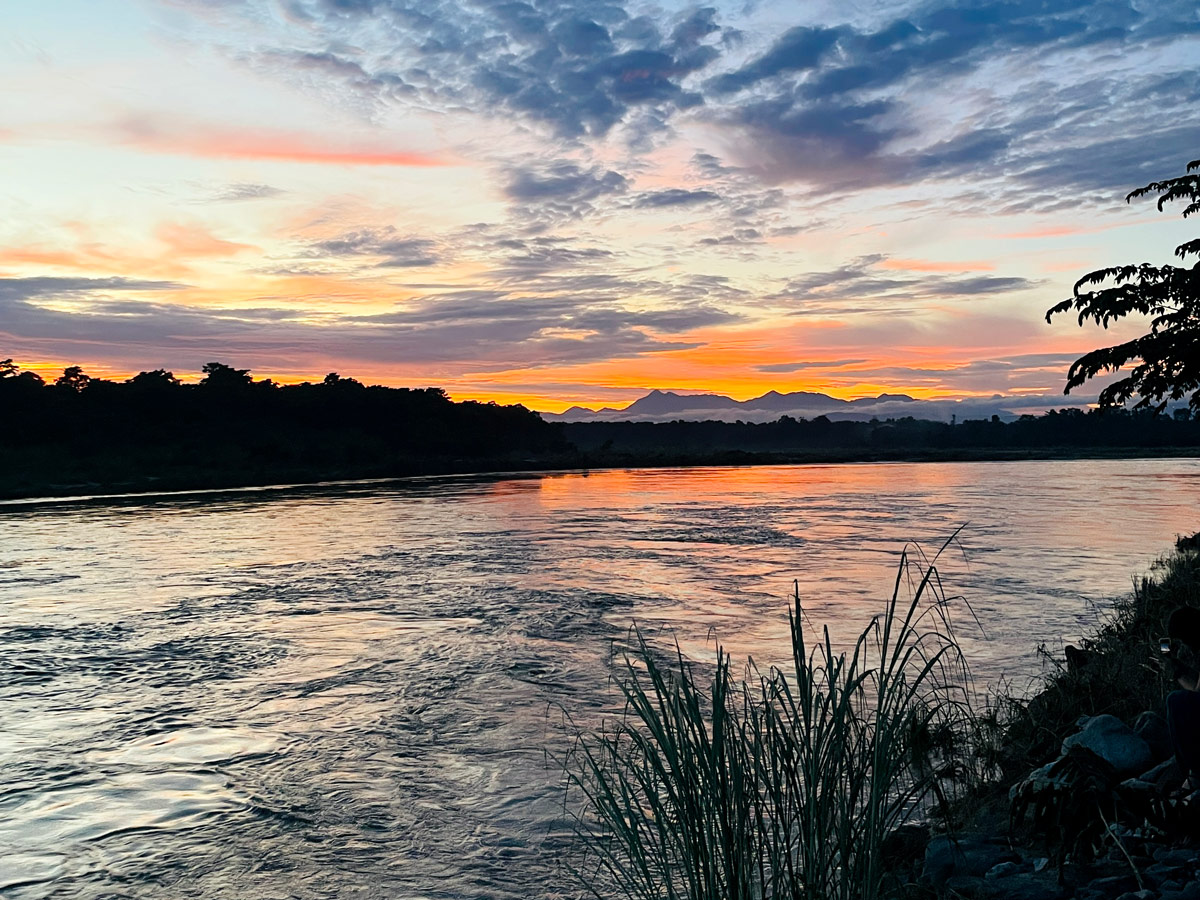
Dawn mist on the Rapti, rhino tracks in the grass.
Hand-picked by our editors — only the best 5 experiences from 240 reviewed.
Verified partners for Chitwan National Park Safari tours, free cancellation where available, and instant confirmation on every booking.
Full-day multi-activity safari with canoeing, jungle walk, and jeep safari in Chitwan
72 hr
Discover rhinos, tigers, and Tharu culture on a 3-day Chitwan jungle safari
72 hr
Explore Nepal's first national park on a 3-day jungle safari with wildlife encounters
72 hr
Sleep in a wooden jungle tower inside Chitwan National Park on this 3-day adventure
96 hr
4-day Chitwan adventure with jeep safari, canoeing, nature walks, and jungle tower stay
Prices from verified partners. Availability updates in real time at checkout. Free cancellation policies apply where shown.
Guided 4x4 jeep safaris through the park core, priced around $50-150 per person.
Private safaris and jungle walks for small groups, typically $100-200 per person.
Chitwan was Nepal's royal hunting reserve before it became, in 1973, the country's first national park.
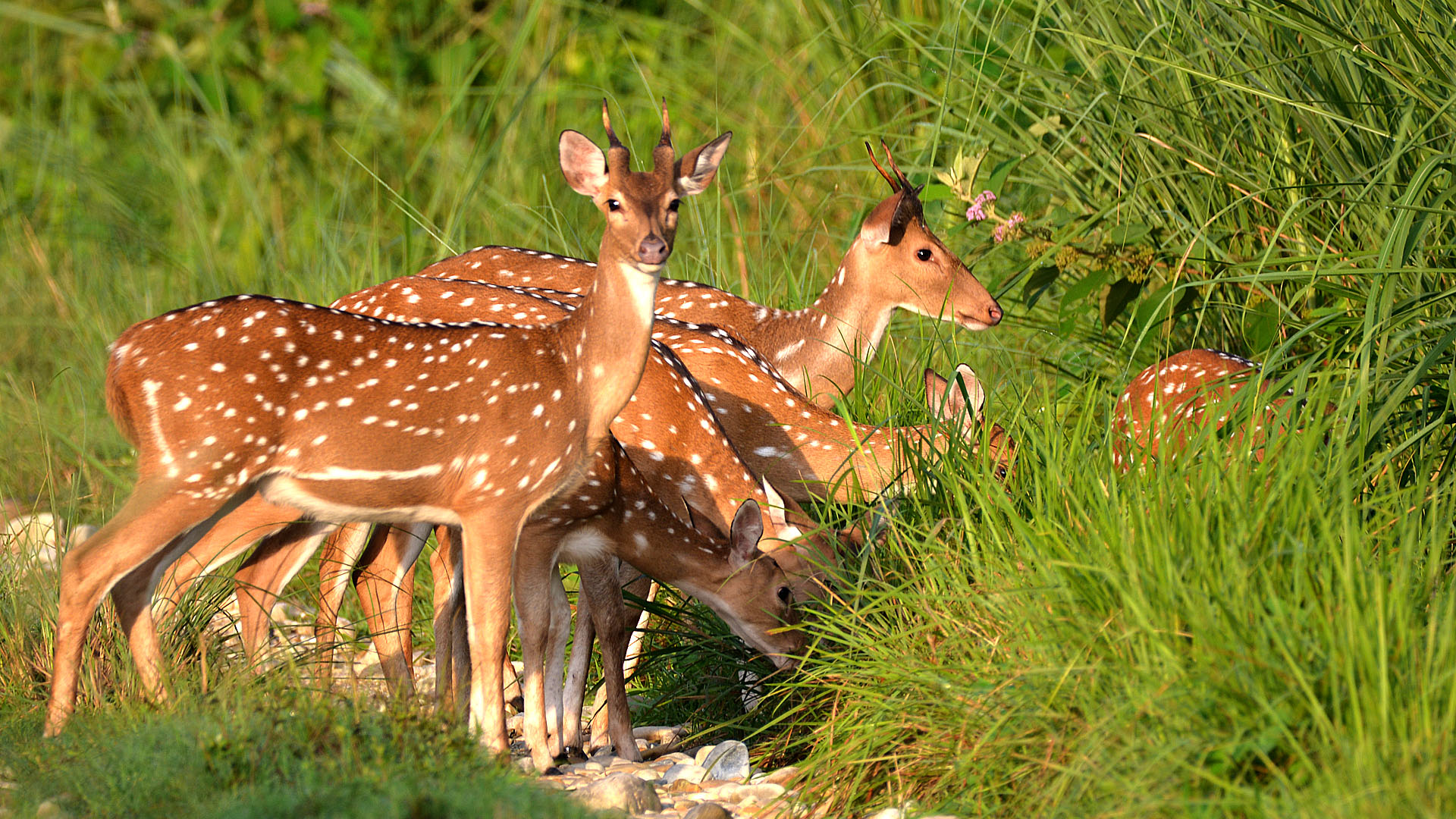
A chitwan national park safari today crosses the same sal forests and Rapti floodplains where Bengal tigers and greater one-horned rhinos were once pursued, now protected across 952 square kilometres of UNESCO-listed terrain.
The shift from rifle to camera reshaped the region. Anti-poaching patrols and community buffer zones turned Sauraha into a conservation model, and the Tharu villages that ring the park share its grasslands and gharial-stocked rivers. A chitwan jungle safari threads elephant-grass corridors and oxbow lakes; a chitwan safari tour or kathmandu chitwan tour now draws visitors who once came only for the hunt. For many a chitwan national park safari is the closest thing to seeing lowland Terai wilderness intact.
"The shift from rifle to camera reshaped a royal hunting ground into Nepal's first national park."
A step-by-step walkthrough of Chitwan National Park Safari tickets — what you'll see, how long each stage takes, and the details that matter.
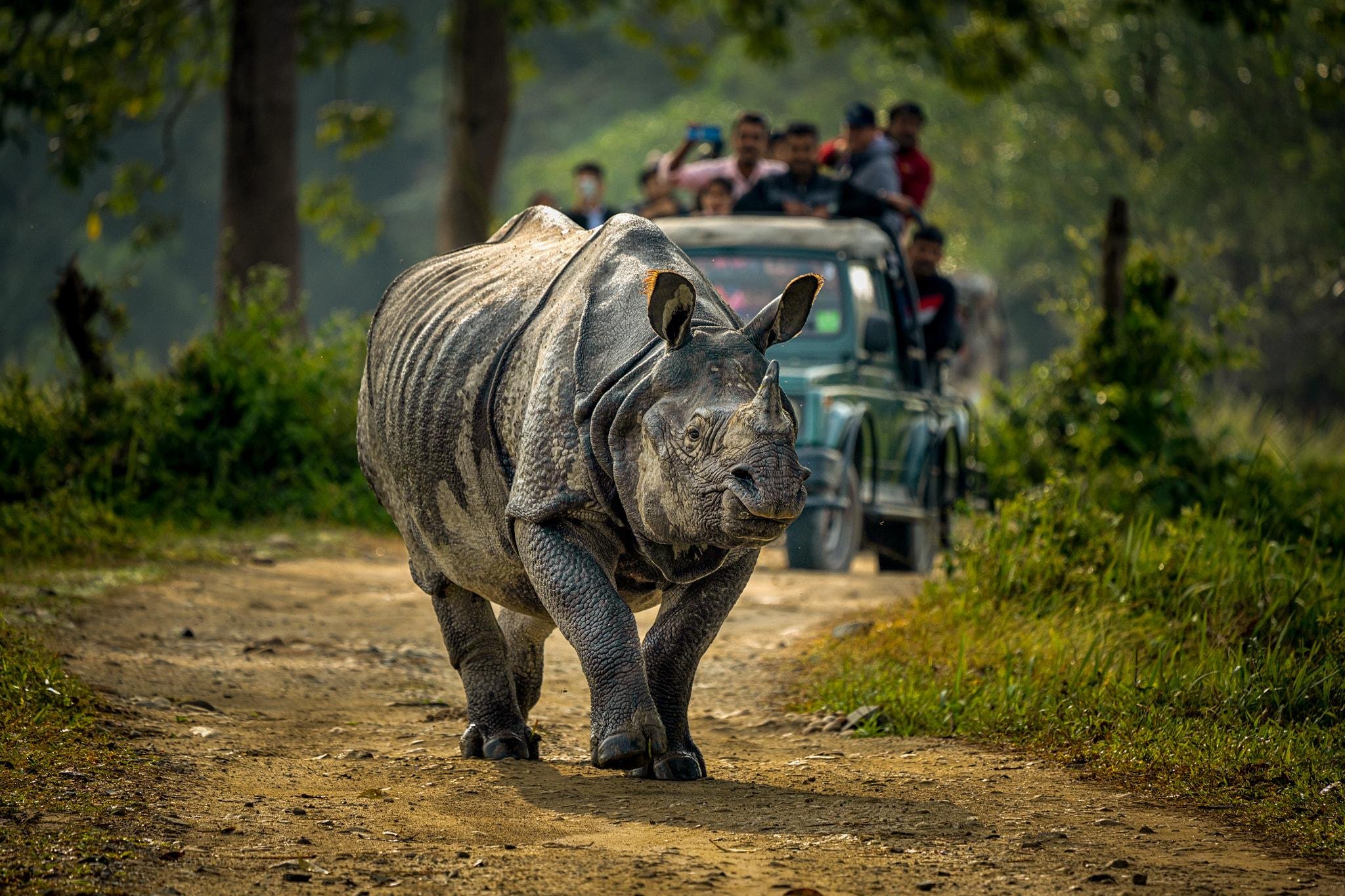
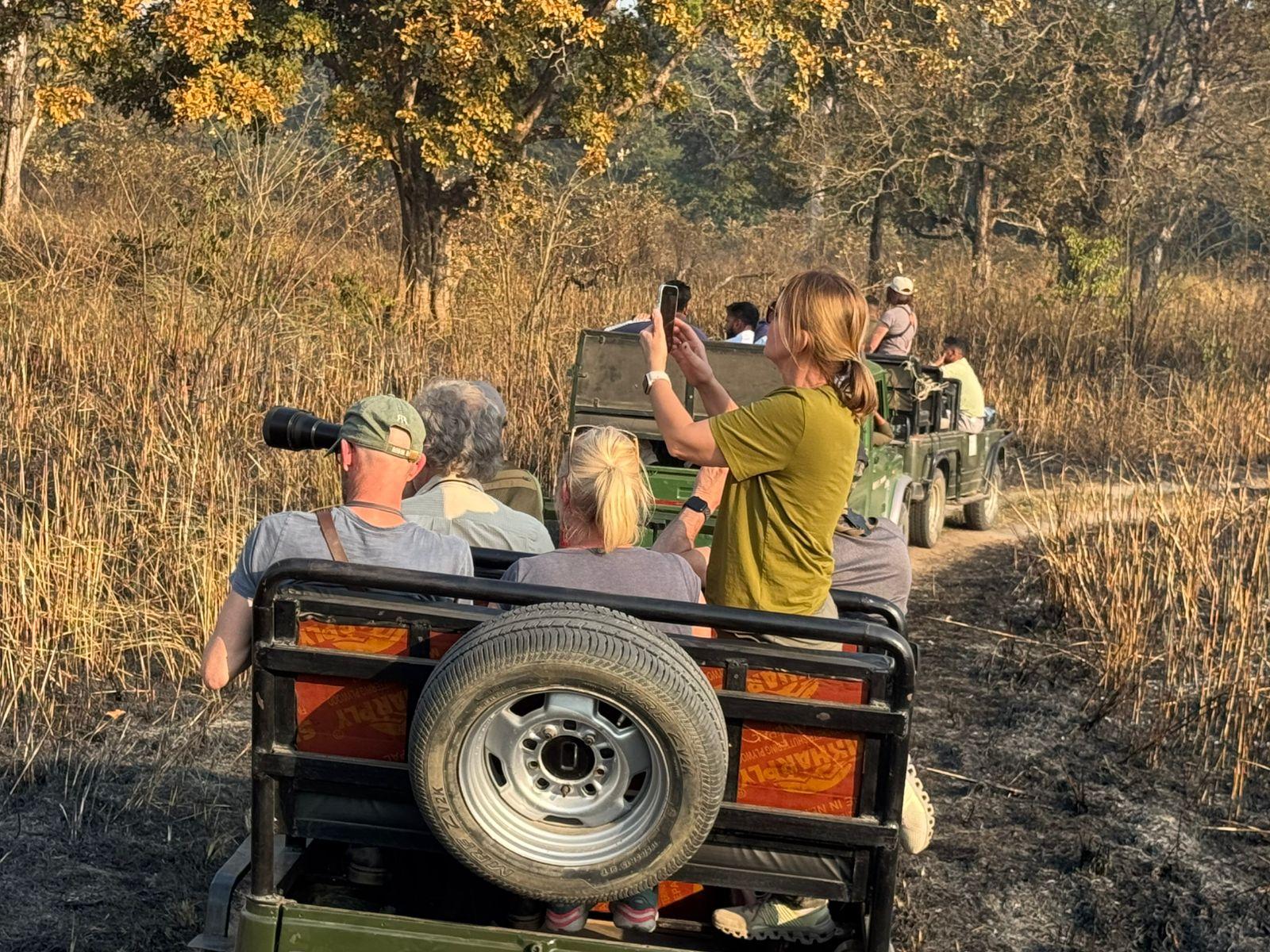
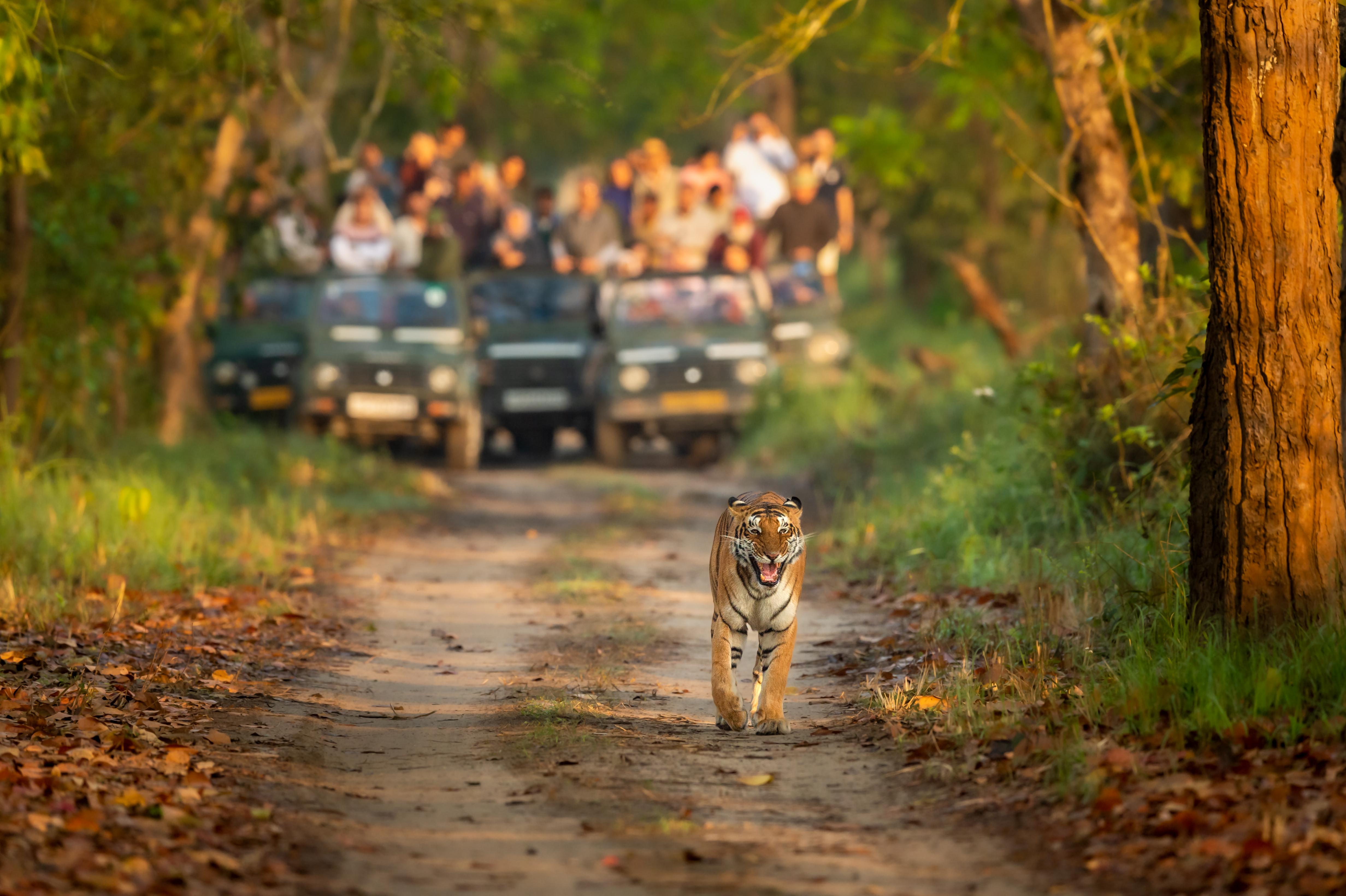
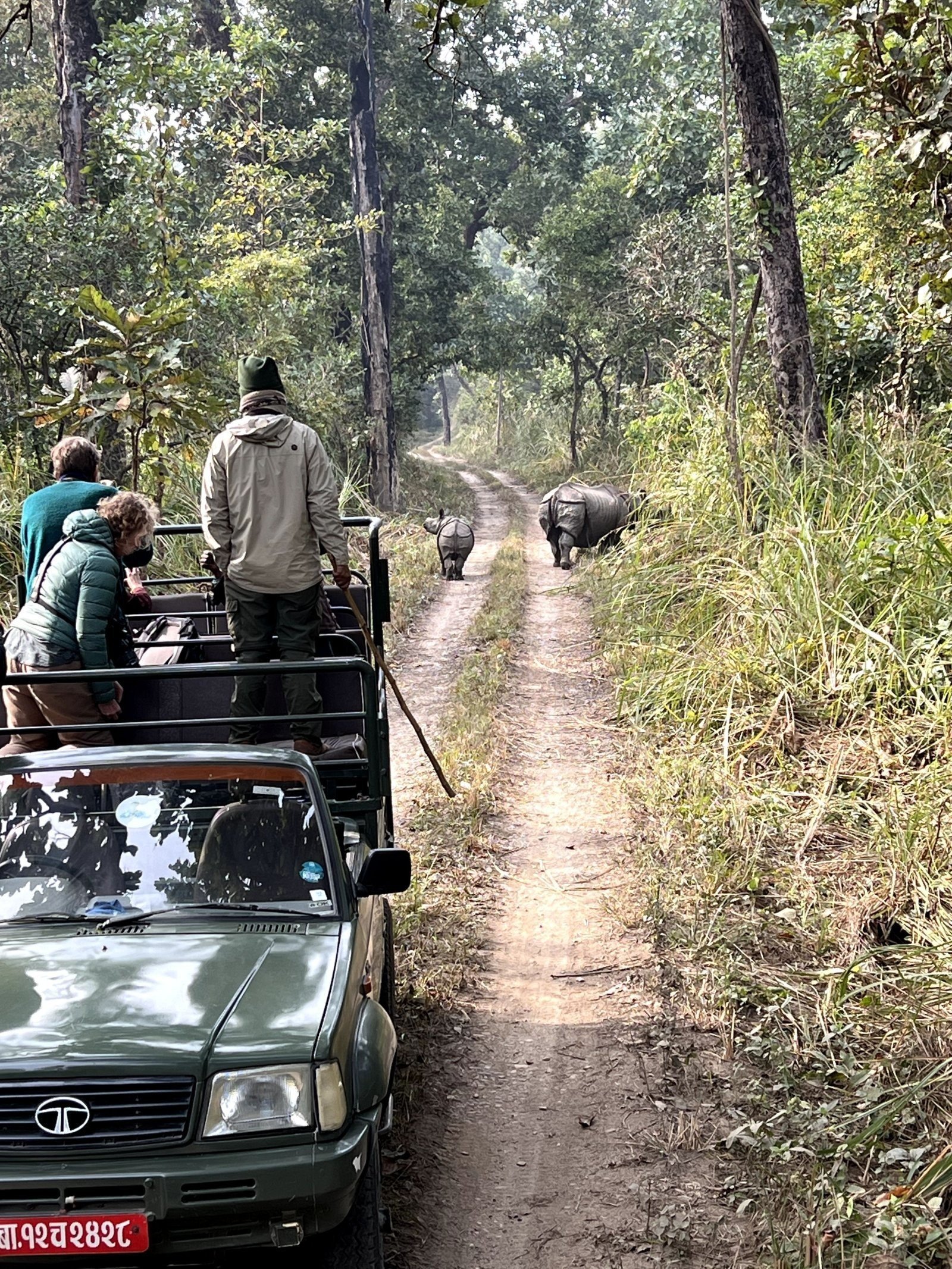
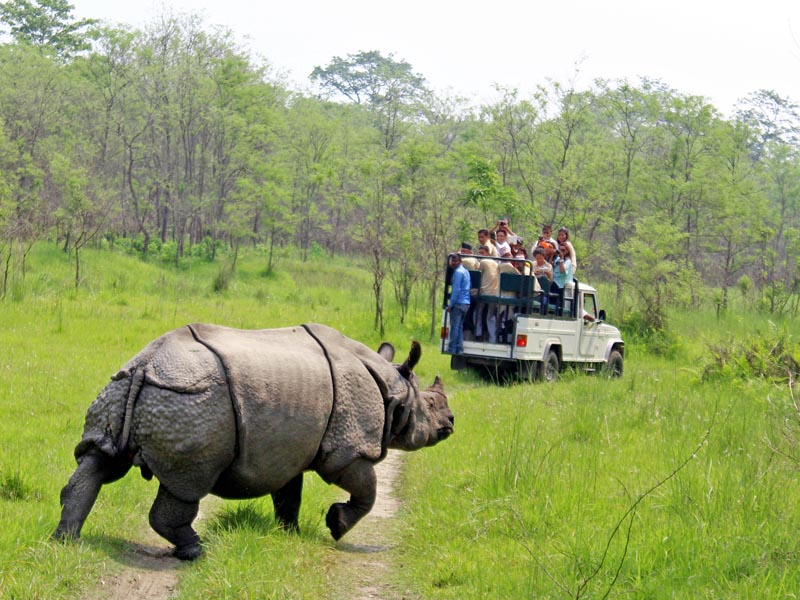
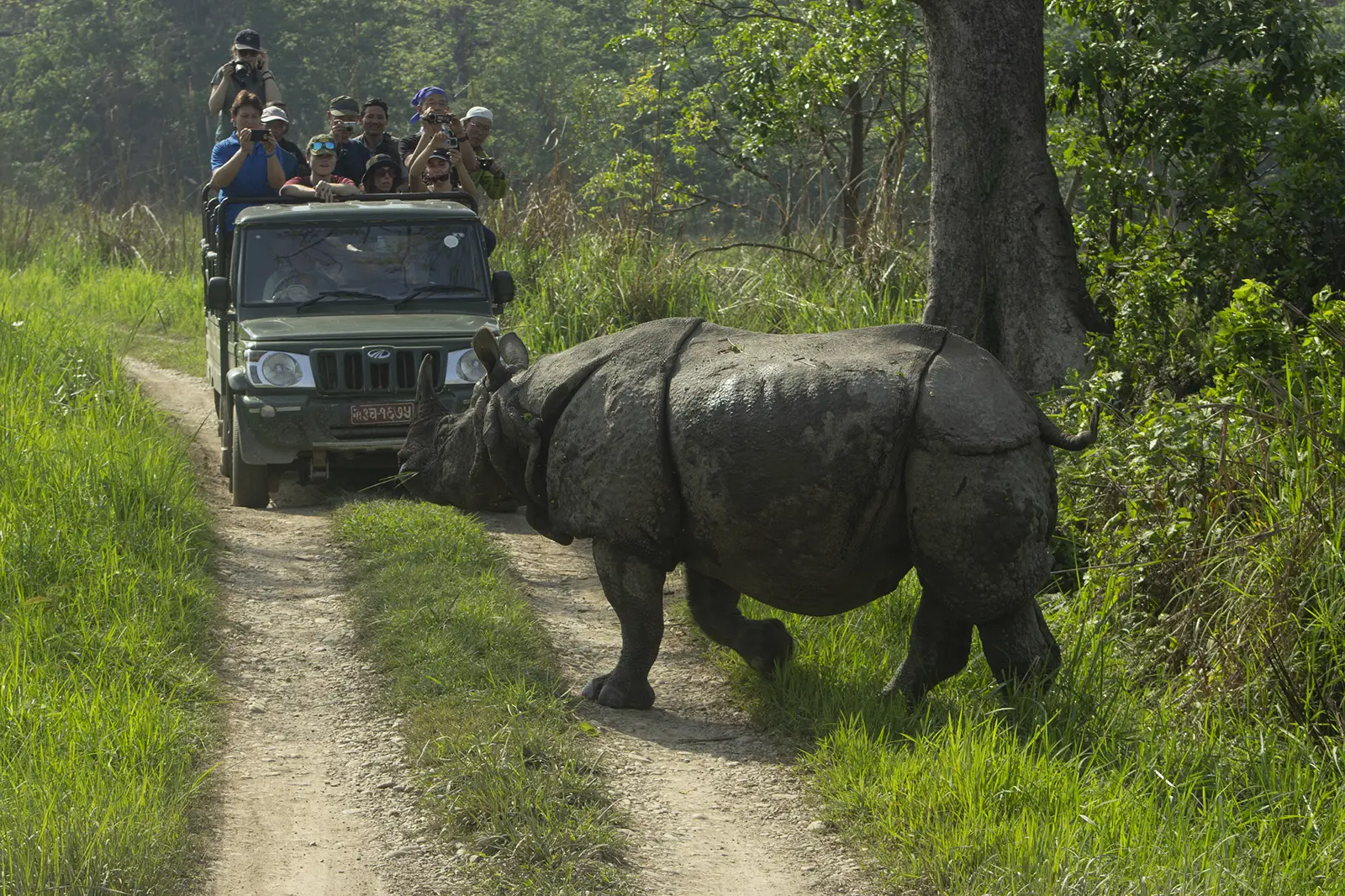
You arrive at the park gate by 06:00, pay the 2,000 NPR entry, and climb into an open jeep while the Rapti still holds its mist. The first hour is the prize: rhino tracks pressed into mud, langurs overhead, the guide cutting the engine to listen for alarm calls.
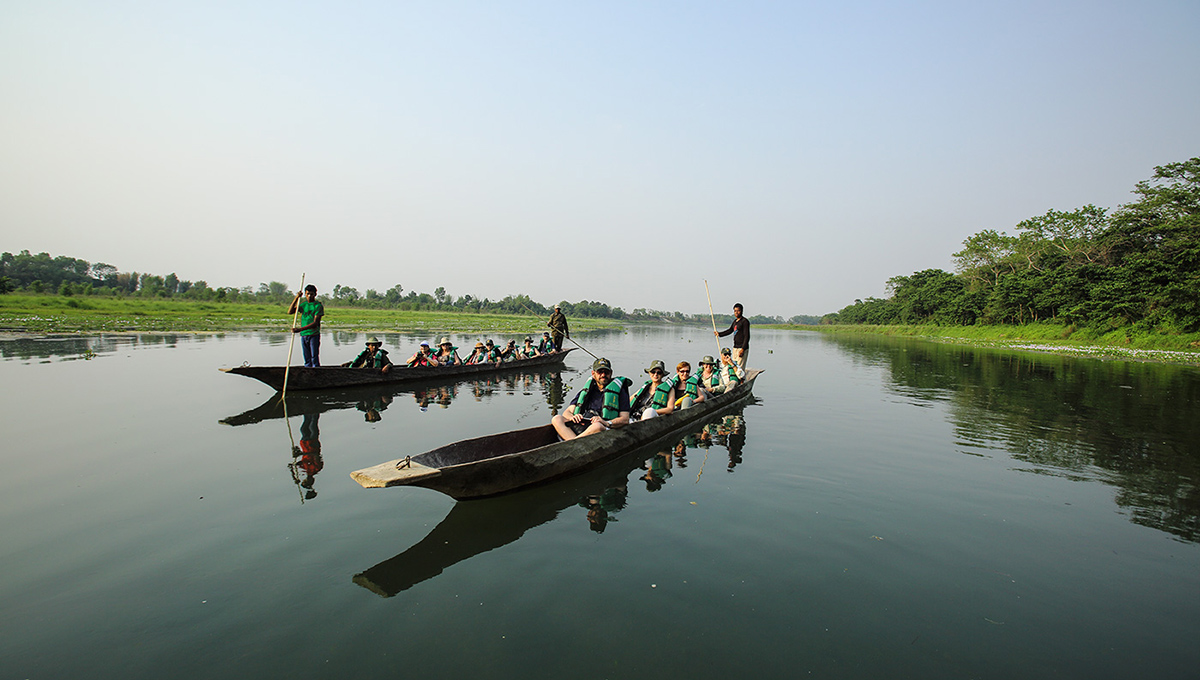
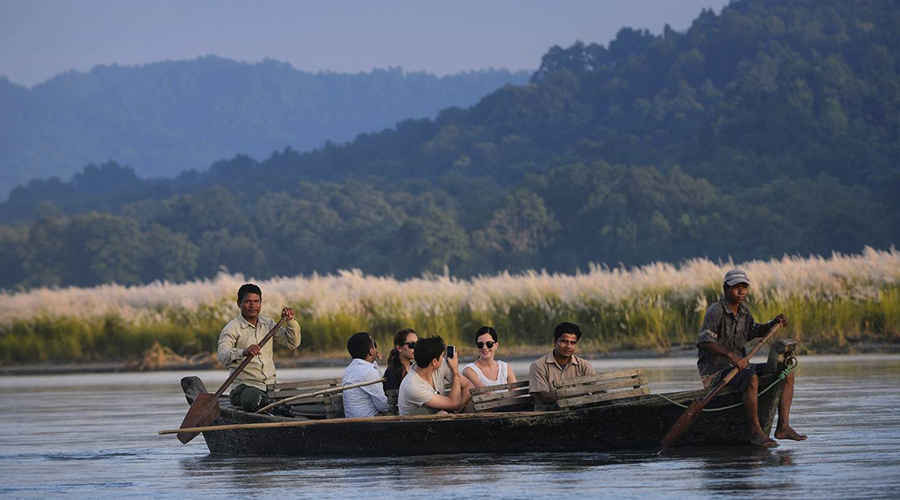
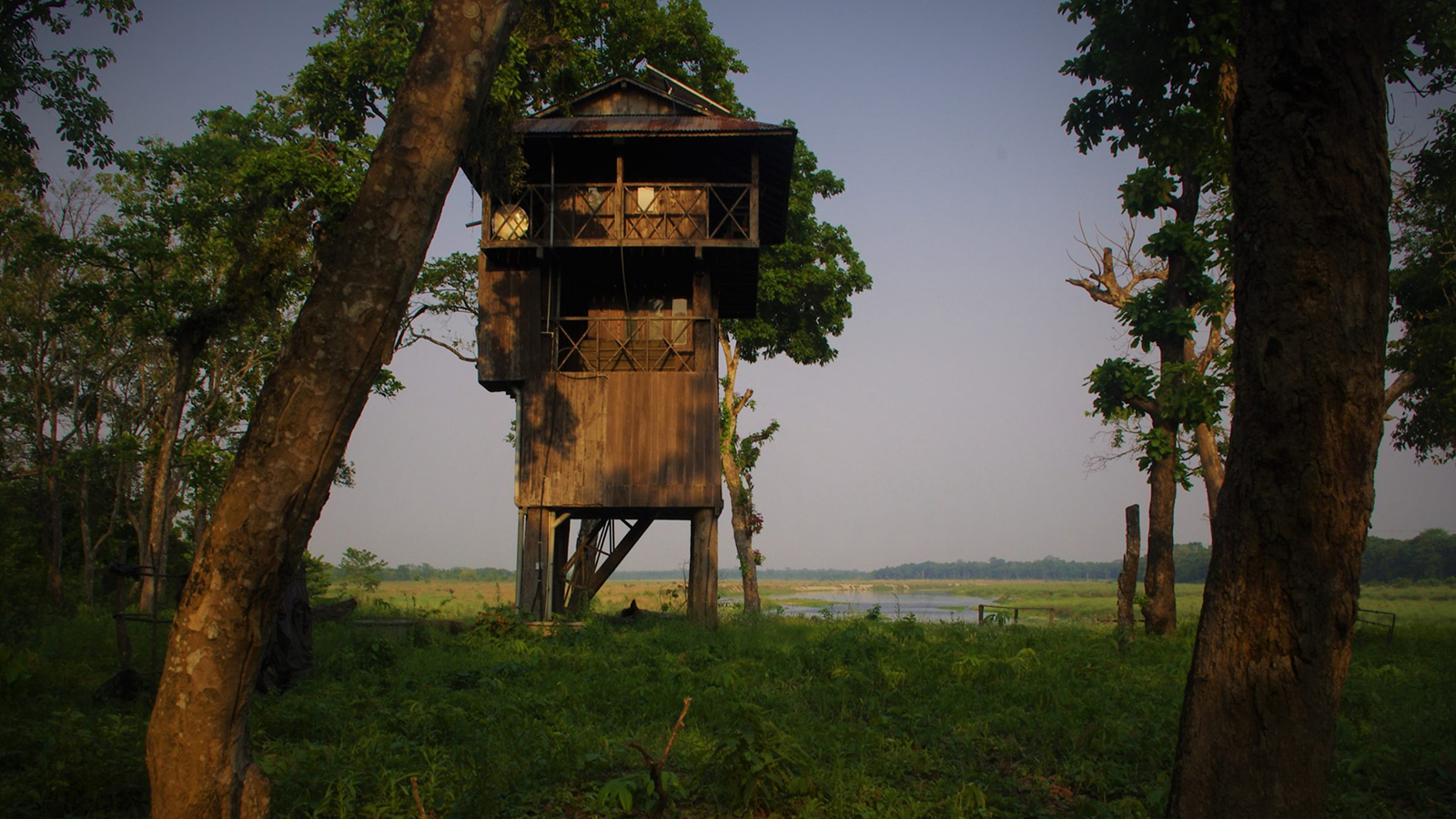
By mid-morning you trade wheels for a dugout canoe, drifting past basking gharials and kingfishers. A chitwan national park jeep safari often pairs with a walking stretch through elephant grass taller than you are. You break for lunch in Sauraha, then return for a tower-night stay, scanning the salt-lick clearing at dusk. The 06:00–08:30 window delivered the sightings; the heat that follows sends the wildlife to cover.
The landmarks, rooms, and views travelers on Chitwan National Park Safari tours remember — all visible on a single visit.
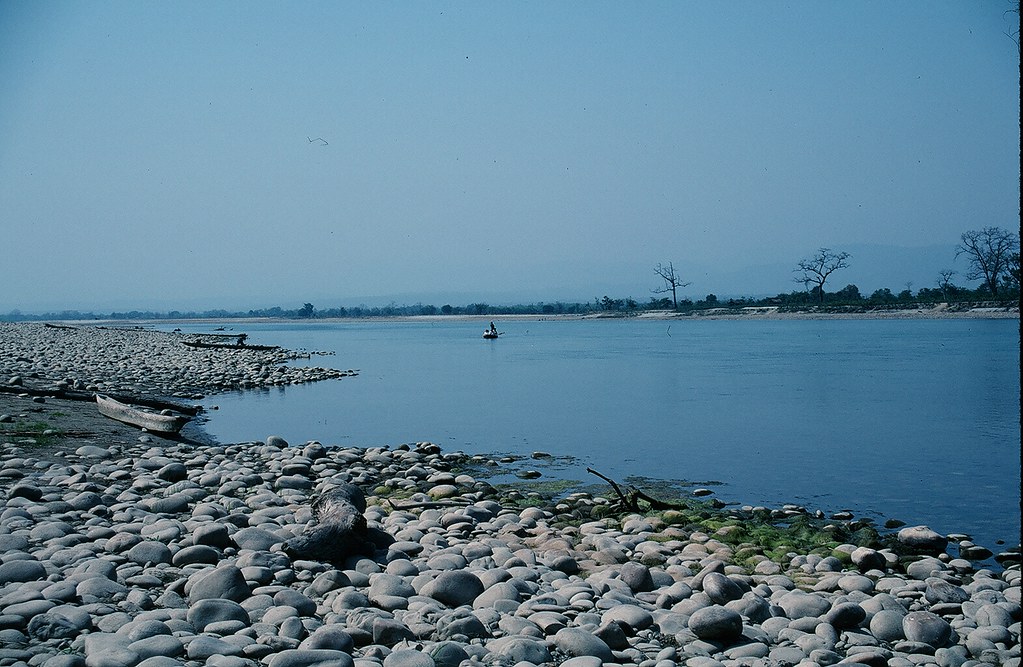
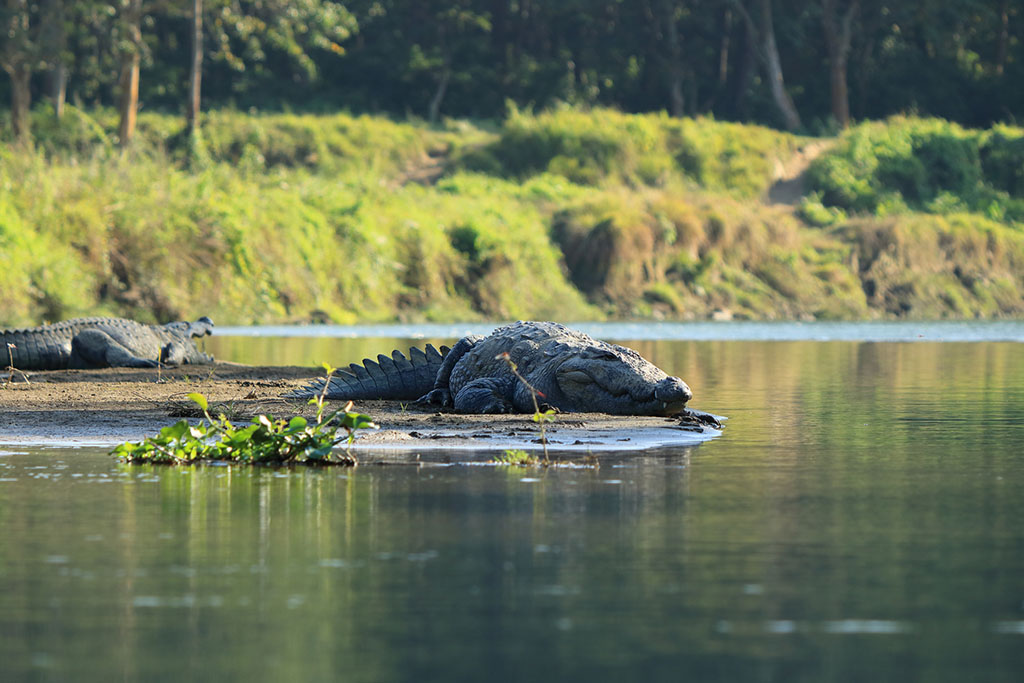
The Rapti River forms the northern boundary of the park and offers dugout canoe journeys during which visitors observe gharial and marsh mugger crocodiles basking on sandbanks, as well as waterbirds from over 500 recorded species.
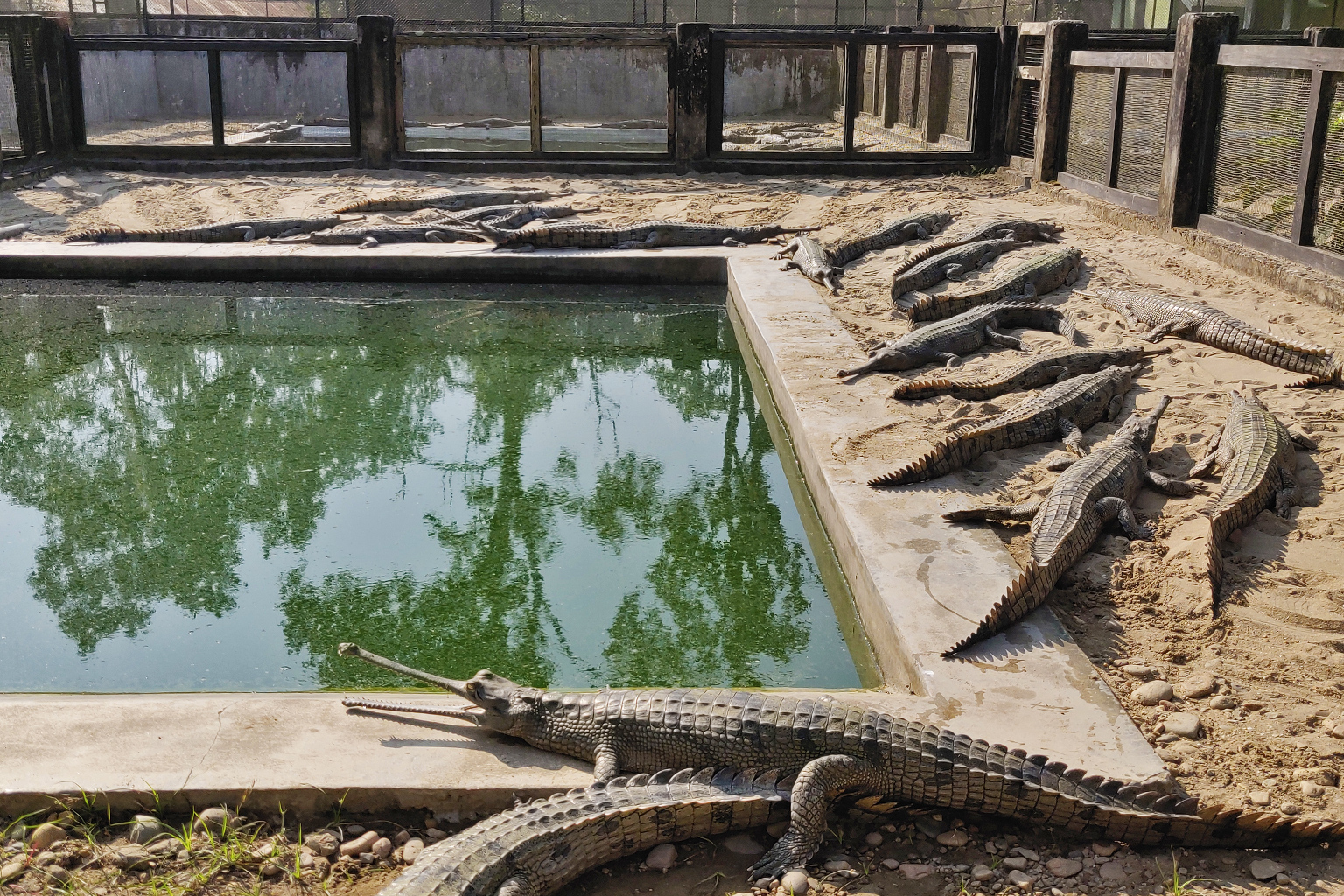
Established in 1978 at the park headquarters in Kasara, this center raises critically endangered gharial crocodiles in captivity — where hatchling survival rates reach 50%, compared to under 2% in the wild — before releasing five-year-old juveniles into the Narayani River system.
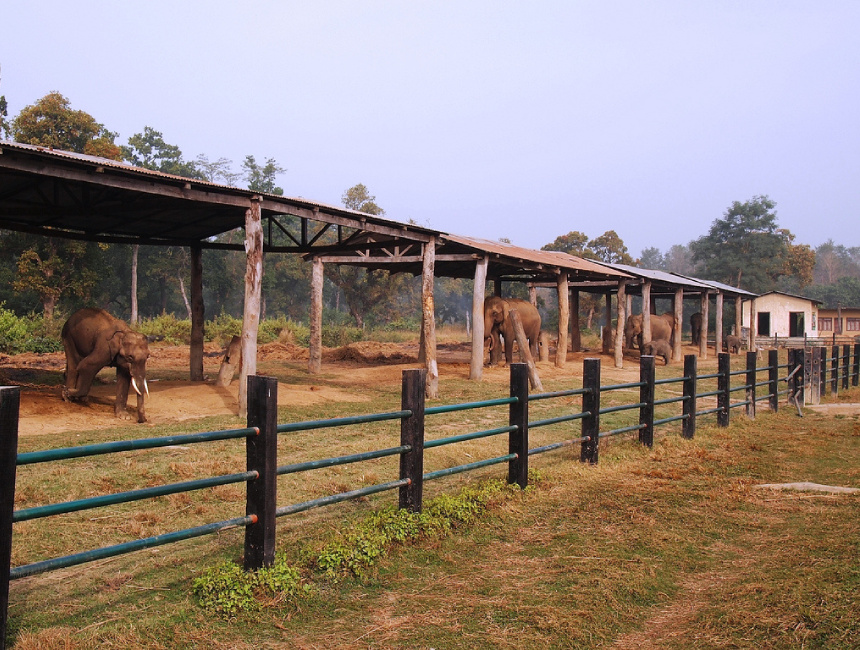
Nepal's government-run Elephant Breeding Center in Sauraha houses Asian elephant calves alongside working elephants that play an active role in anti-poaching patrols across the 952-square-kilometre reserve.
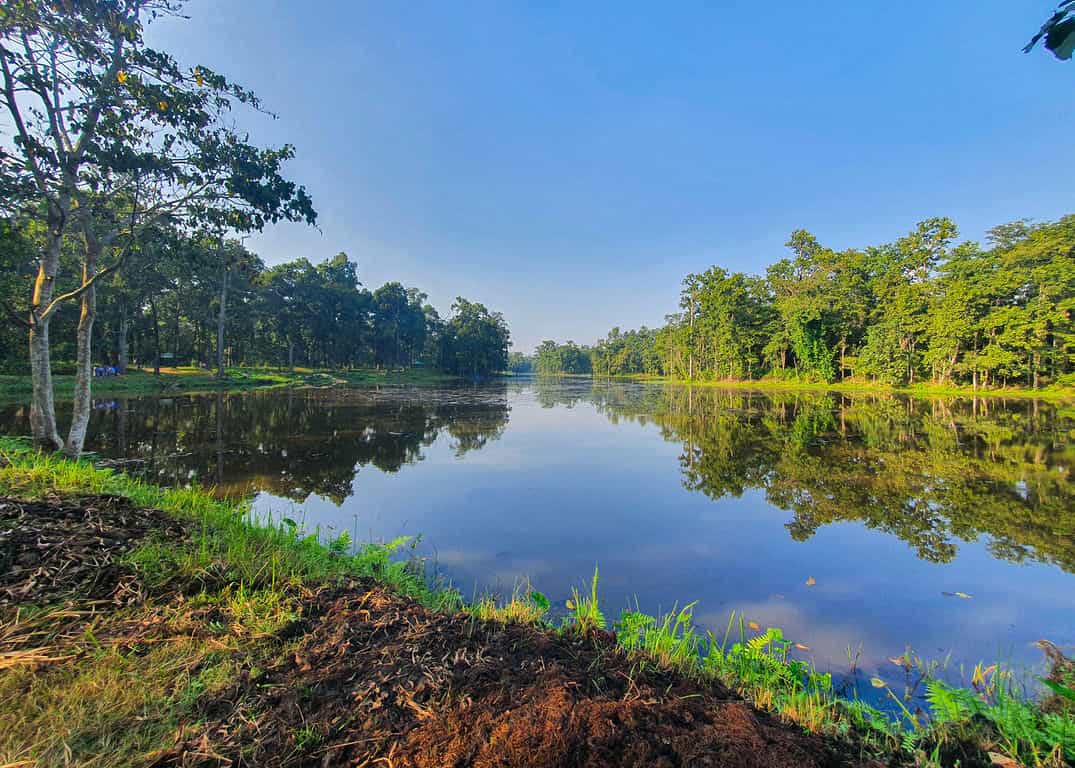
Known as the 20,000 Lakes, this system of oxbow lakes inside the park boundary is a critical wetland habitat for aquatic birds, reptiles, and the endangered Gangetic river dolphin, and rewards early morning birdwatchers with sightings of species found nowhere else in the Himalayan foothills.
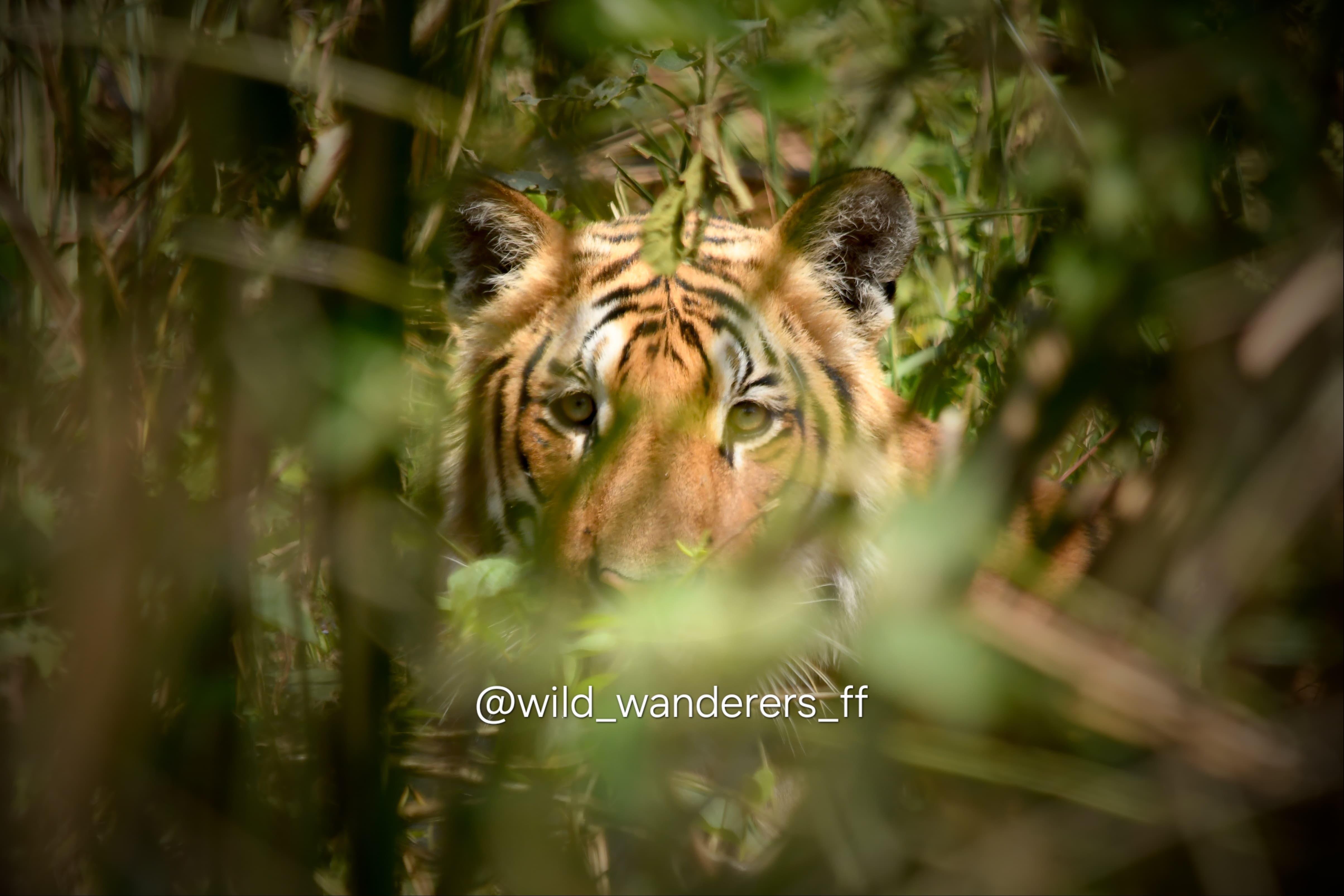
The park's interior combines open terai grasslands — cut and burned seasonally to maximise visibility — with dense sal forest (Shorea robusta) that covers roughly 80% of the total area and shelters approximately 120 Royal Bengal tigers, the highest concentration in any South Asian protected area.
Every Chitwan National Park Safari tour side-by-side — duration, what's included, how you redeem.
| Experience | From | Duration | Transfers | Pickup | Lunch | Tax inc. | Free cancel. | Price | |
|---|---|---|---|---|---|---|---|---|---|
|
Skip-the-line Most popular
One Day Safari (Sharing) inside Chitwan National Park
|
— | — | — | — | — | — | — | $111 | Book → |
|
Guided Experience
3 Days Jungle Safari in Chitwan National Park
|
— | 72 hr | — | — | — | — | ✓ | $172 | Book → |
|
Premium Combo
3-Day Chitwan National Park Jungle Safari Tour Package with Pick Up
|
— | 72 hr | — | — | — | — | ✓ | $200 | Book → |
|
Standard Entry
Jungle Towernight Stay In Chitwan National Park ,nepal-2 Nights 3 Days Package
|
— | 72 hr | — | — | — | — | ✓ | $226 | Book → |
|
Luxury / Private
3 Nights 4 Days Chitwan National Park with Tower Night Stay
|
— | 96 hr | — | — | — | — | ✓ | $350 | Book → |
All prices from verified partners. Availability and exact terms confirmed at checkout.
Choose your ticket, select your date, and reserve in under two minutes. Secure checkout handled by our verified partner.
Instant confirmation by email, with a mobile voucher you can save offline. No printing, no queuing at a collection desk.
Arrive at the entrance, show your voucher on your phone, and walk in. Most tickets include priority or skip-the-line access.
Practical details for Chitwan National Park Safari tickets straight from our verified partners — hours, access, rules, and how to get there.
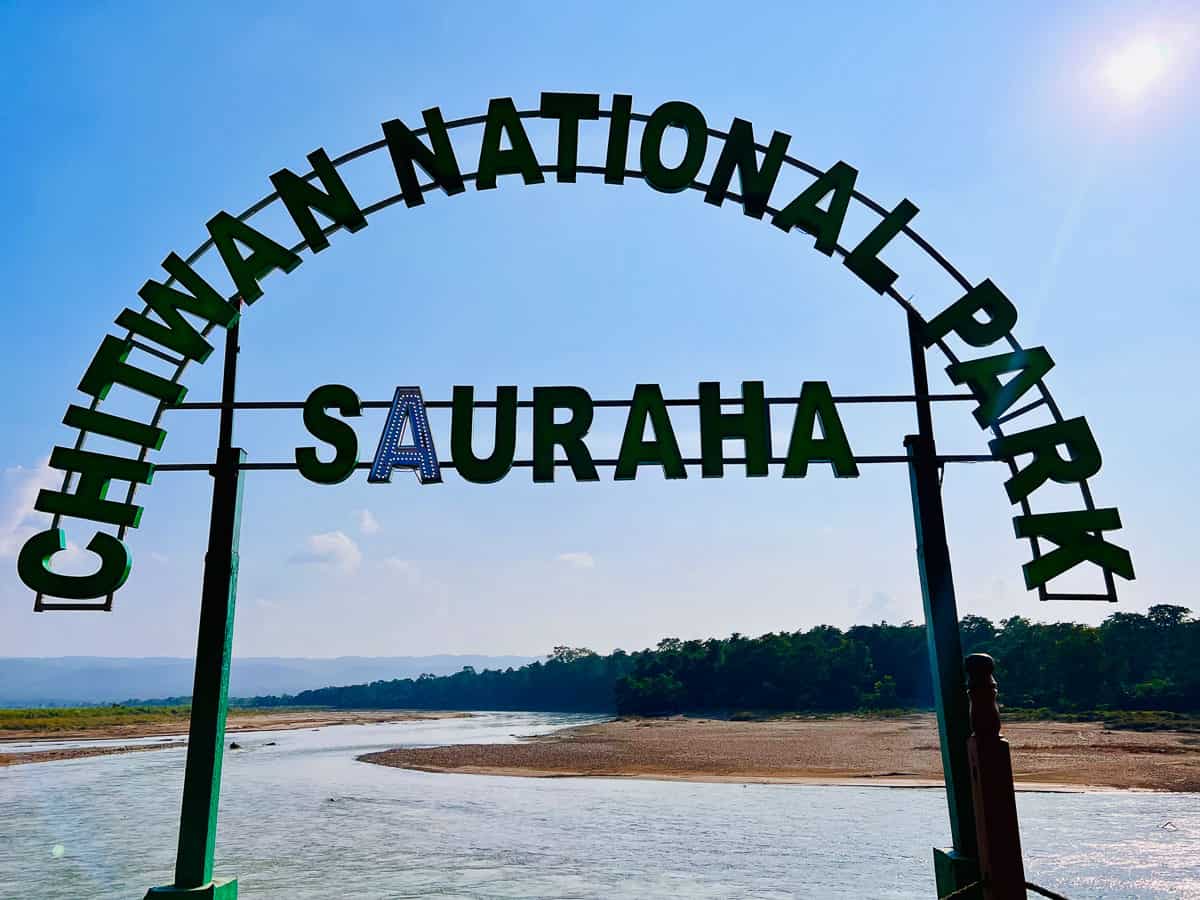
Sauraha, Ratna Nagar, Chitwan District
Main ticketing and entry point; purchase your 2,000 NPR entrance fee here before all safari activities
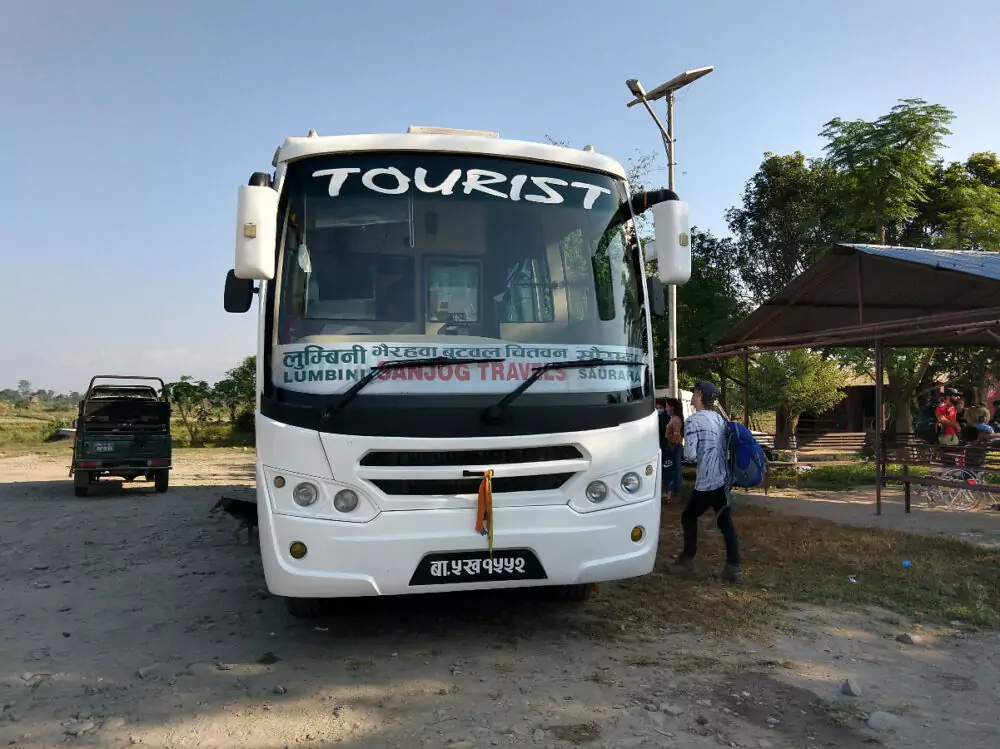
Open in Google MapsTourist buses depart daily from Sorhakhutte, Kathmandu to Bachhauli/Sauraha; journey takes 5–7 hours depending on road conditions
Private vehicle hire from Kathmandu (~170 km) or Pokhara (~84 km) via the East–West Highway; faster and more comfortable than bus
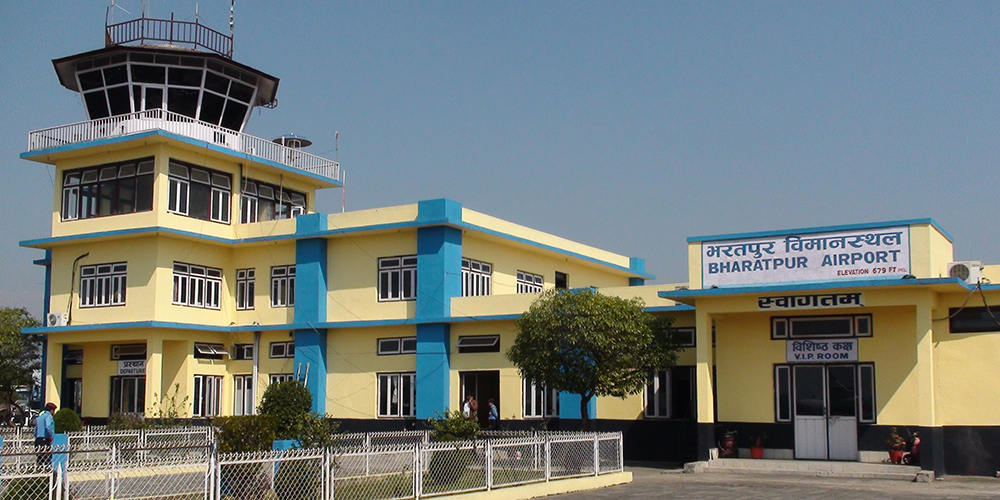
Domestic flight from Kathmandu to Bharatpur Airport (25 min), then taxi or local vehicle ~16 km to Sauraha
Wear neutral, earth-toned clothing — khaki, olive, or tan — to avoid startling wildlife during a chitwan national park safari. Avoid bright colours and white. Long sleeves and trousers are recommended to protect against insects and sun exposure in the subtropical Terai lowlands.
Small daypacks are permitted on jungle walks and jeep safaris. Large suitcases should be left at your lodge in Sauraha. Park rangers may conduct brief bag checks at the entrance gate to prevent prohibited items from entering the core wildlife zone.
Personal photography with non-flash cameras and smartphones is freely permitted throughout Chitwan National Park. Drone flights require advance written permission from the Department of National Parks and Wildlife Conservation and are generally restricted near wildlife. Flash photography near animals, particularly at night, is prohibited.
The main visitor infrastructure is based in Sauraha village, which is mostly flat and walkable. Jeep safaris offer the most accessible wildlife experience as visitors remain seated throughout. Jungle walks involve uneven forest trails and are not suitable for visitors with significant mobility impairments. Canoe rides on the Rapti River require stepping into low wooden dugouts and are not recommended for those with severe mobility challenges.
Mobile phone coverage is available in Sauraha and along the main park edges but can be patchy inside the dense sal forest. Keep phones on silent during jungle walks and jeep safaris to avoid disturbing wildlife. Charging facilities are available at most lodges in Sauraha.
Chitwan national park safari is well suited for families with children. Children under 10 years of age are admitted free with valid passport ID. Jeep safaris and canoe rides on the Rapti River are appropriate for children of most ages. The Elephant Breeding Center and Gharial Breeding Center at Kasara provide educational stops that engage young visitors. Parents should keep children close during all wildlife encounters.
No food outlets operate inside the core park zone. Pack sufficient drinking water before entering — the Terai heat, especially from April through June, demands frequent hydration. Sauraha village has numerous restaurants serving Nepali, Tharu, and international cuisine just outside the park boundary. Many lodges provide packed lunches for full-day Chitwan national park safari tours on request.
Pets are strictly prohibited inside Chitwan National Park. Domestic animals can provoke dangerous reactions from wildlife, including greater one-horned rhinoceroses and sloth bears, and may disturb sensitive breeding habitats.
All jungle safaris — whether jeep, canoe, or on foot — must be conducted with a licensed guide. Solo entry into the core wildlife zone is not permitted. The park covers 952.63 sq km of subtropical forest and grassland and was designated a UNESCO World Heritage Site in 1984, so all regulations apply equally to every visitor regardless of tour operator.
Sauraha, Ratna Nagar, Chitwan District
Main ticketing and entry point; purchase your 2,000 NPR entrance fee here before all safari activities
Get directions
Bachhauli Village, Chitwan District
Tourist buses from Kathmandu and Pokhara arrive here; Sauraha is a 15-minute walk or short local ride away
Get directions
Bharatpur, Chitwan District
Domestic flights from Kathmandu land here; Sauraha is approximately 30–45 minutes by road
Get directionsBest time to go, insider tips, nearby landmarks, and the cancellation fine print — flip through to skim what matters to you.
How crowds, weather, and events shift across the year.
Dry season opens with shorter grass after monsoon, ideal for rhino and deer sightings; temperatures are pleasantly cool.
Peak season with cool, clear weather; excellent wildlife visibility and comfortable conditions for jungle walks and canoe rides on the Rapti River.
Grass-cutting and controlled burns expose the grasslands, maximising the chances of spotting tigers near waterholes; very popular for chitwan national park safari tours.
Hot and increasingly humid as monsoon approaches; waterholes concentrate animals but daytime heat on jeep safaris can be intense.
Monsoon season brings heavy rainfall; some safari activities suspended or moved to the buffer zone; lush scenery but reduced jeep access inside the core park.
Small details that turn a good visit into a great one.
The canonical best arrival window for a chitwan national park safari is 06:00–08:30; rhinos and tigers are most active before the Terai heat peaks mid-morning.
Solo entry into the core wildlife zone is illegal; pre-booking a licensed naturalist through your lodge or a reputable Sauraha operator ensures a knowledgeable guide and faster entry processing.
The park entrance fee of 2,000 NPR per person per day must be paid in cash at the gate; ATMs in Sauraha can be unreliable, so withdraw cash in Bharatpur or Kathmandu beforehand.
Mornings on jeep safaris in the open grassland can feel cool even in summer; a light jacket that can be removed later prevents discomfort without adding bulk to your daypack.
Gharial and marsh mugger crocodiles are most active at the water's edge during low-light periods on the Rapti River; combining the canoe ride with your early morning Chitwan national park safari tour maximises wildlife sightings in a single outing.
With over 500 recorded bird species, including the endangered Bengal florican, a dedicated early morning birdwatching session at Bis Hajaar Tal adds exceptional value to any jungle wildlife excursion without requiring additional park entry.
Non-bookable sights within a short walk — free to visit, easy to pair.
An oxbow lake complex inside the park boundary, home to hundreds of bird species and a popular birdwatching site on Chitwan wildlife tours.
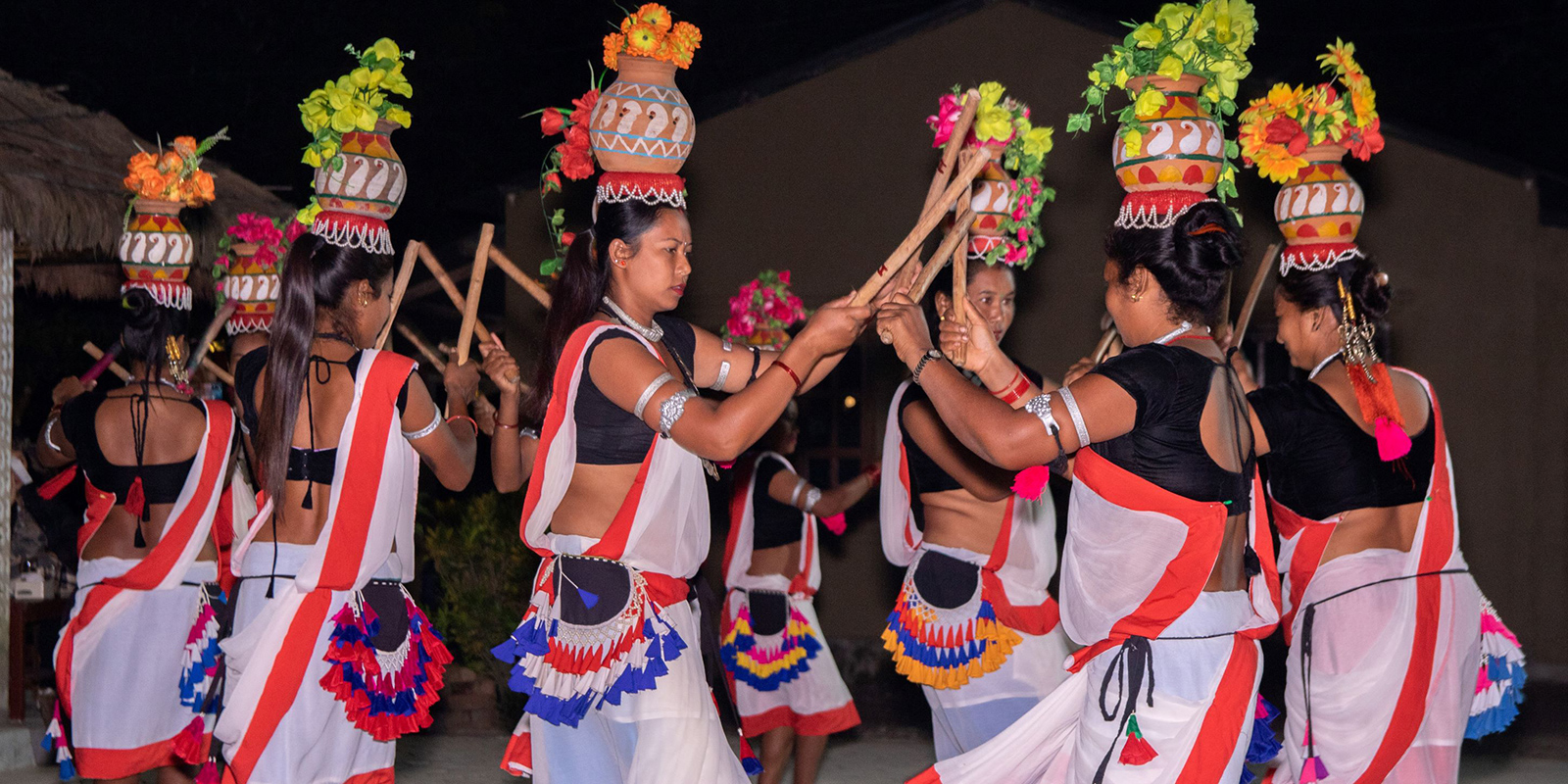
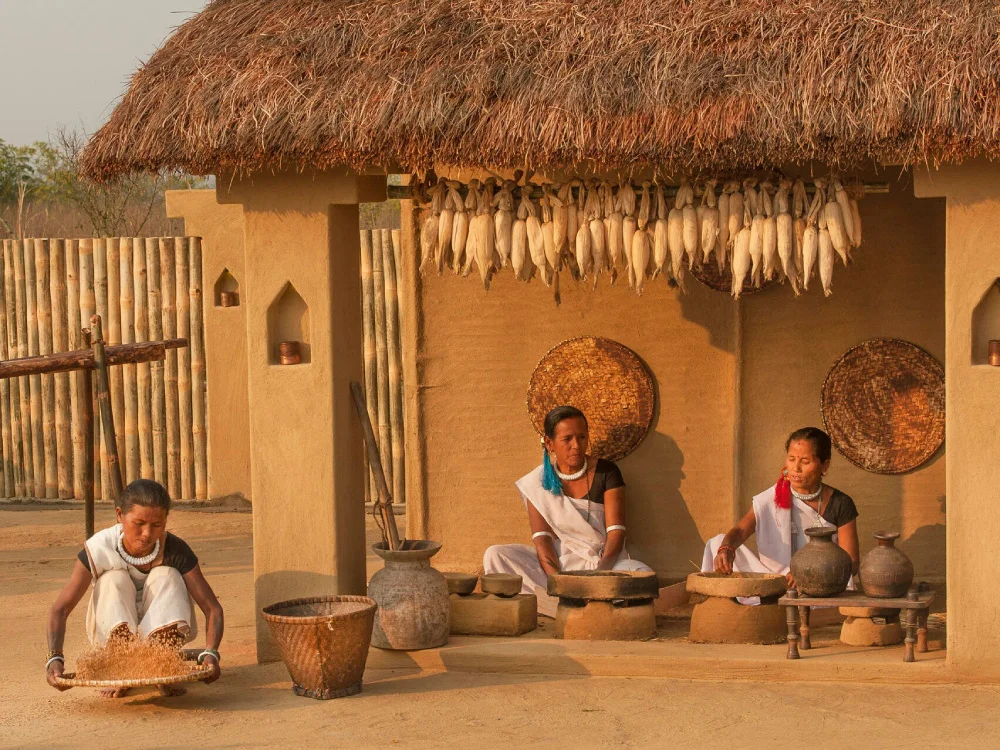
A living Tharu village on the park boundary where visitors observe mud-and-clay architecture, traditional ochre-painted walls, and the distinct cuisine of the Tharu people.
The Narayani River forms the park's western boundary and supports Gangetic river dolphins and gharial; a natural lookout for wildlife photographers.
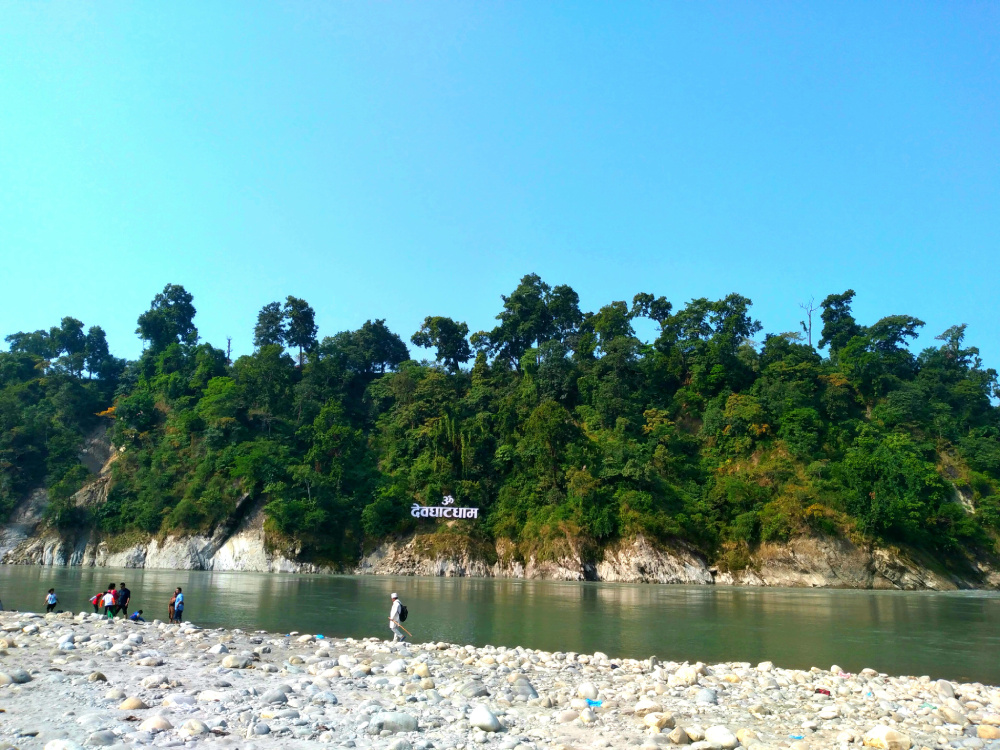
Sacred Hindu pilgrimage site at the confluence of the Trishuli and Kali Gandaki rivers, one of Nepal's most important religious gathering points.
Flexible, no hidden fees.
Most licensed operators offer a full refund if you cancel at least 48 hours before your safari departure date. The park entrance fee of 2,000 NPR per person per day is non-refundable once purchased at the gate, as it is a government conservation levy.
Hand-picked options within walking distance — pick a district for vibe, or a specific hotel for convenience.
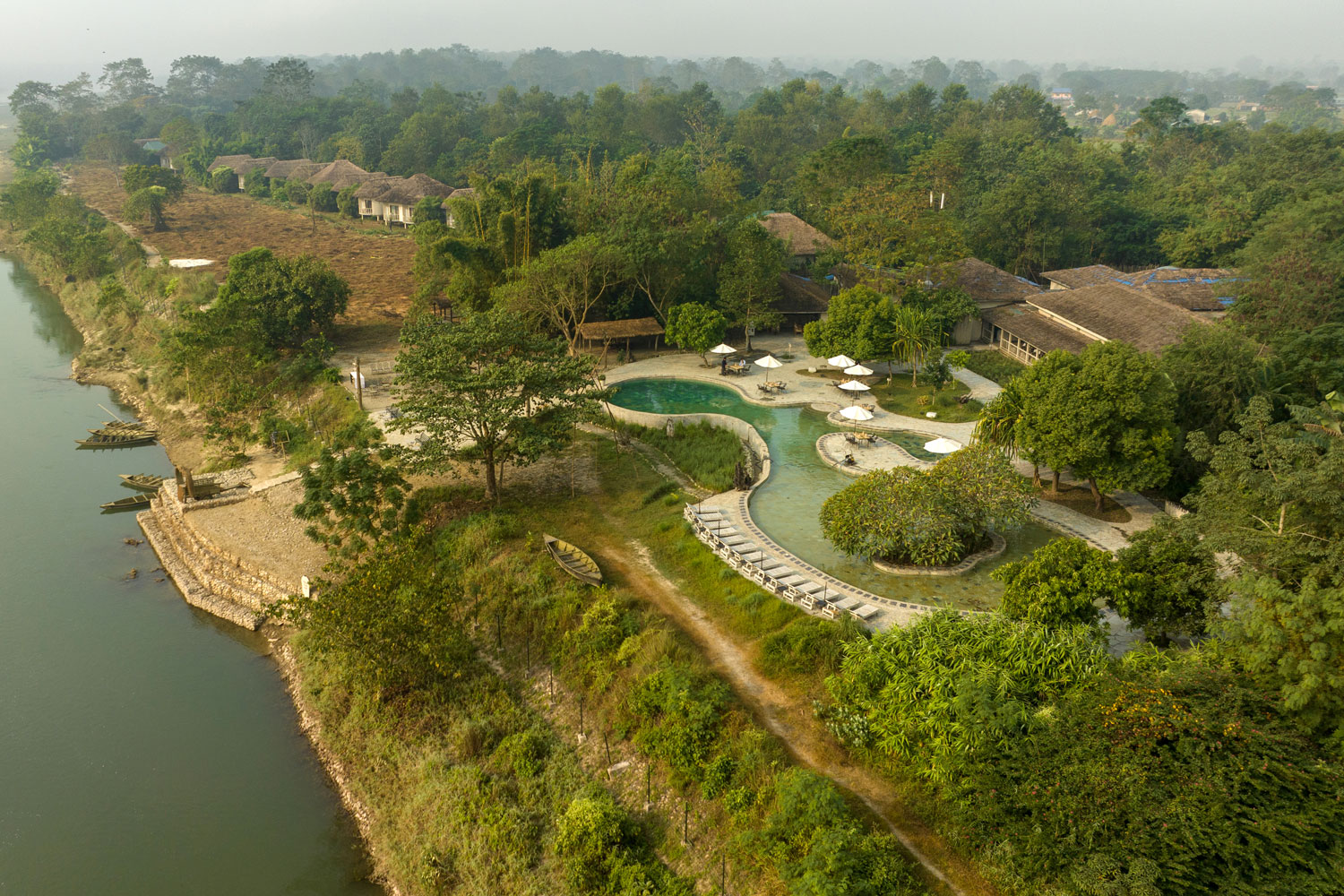
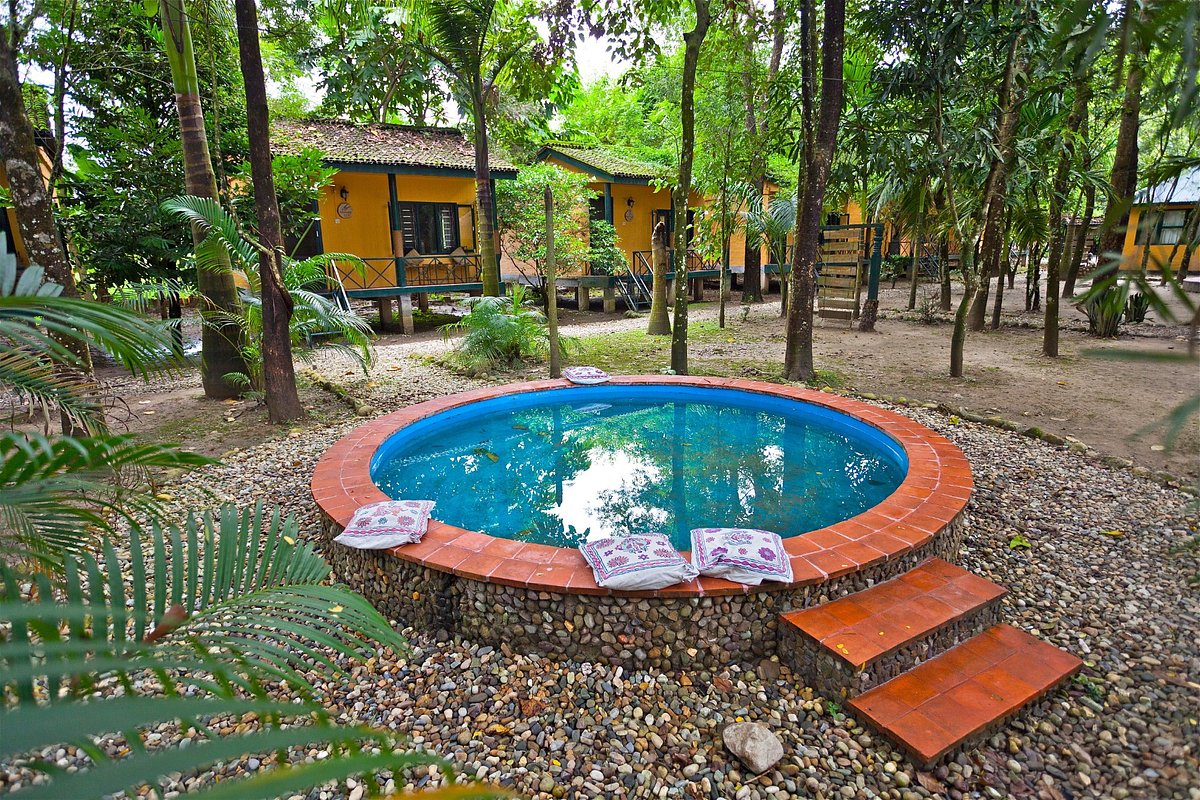
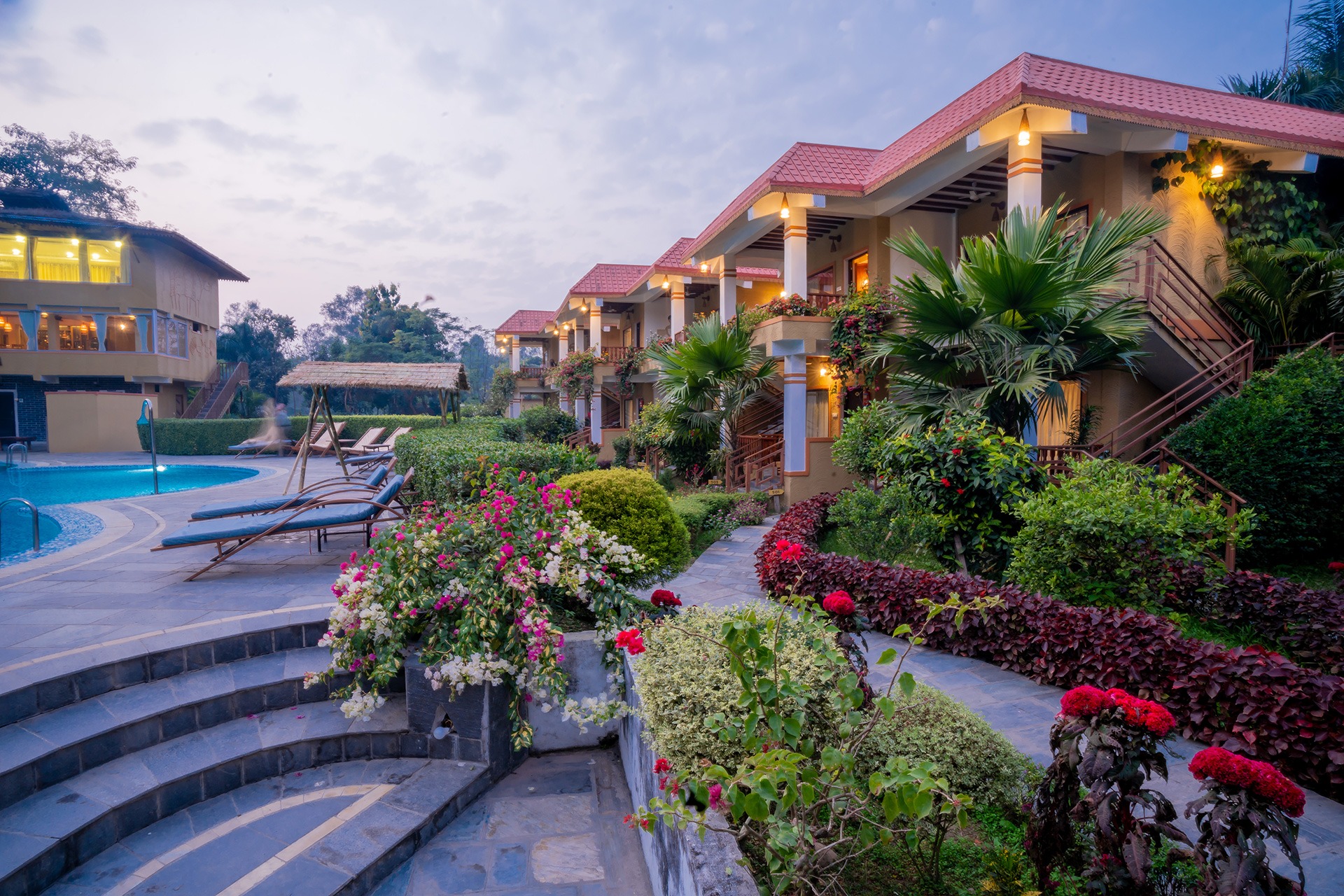
Upscale lodge inside the buffer zone with naturalist-led safaris and direct park access.
Mid-range boutique property with garden setting near the park edge, offering organised Chitwan national park safari packages.
Comfortable resort with organized jungle activities and Tharu cultural programs on site.
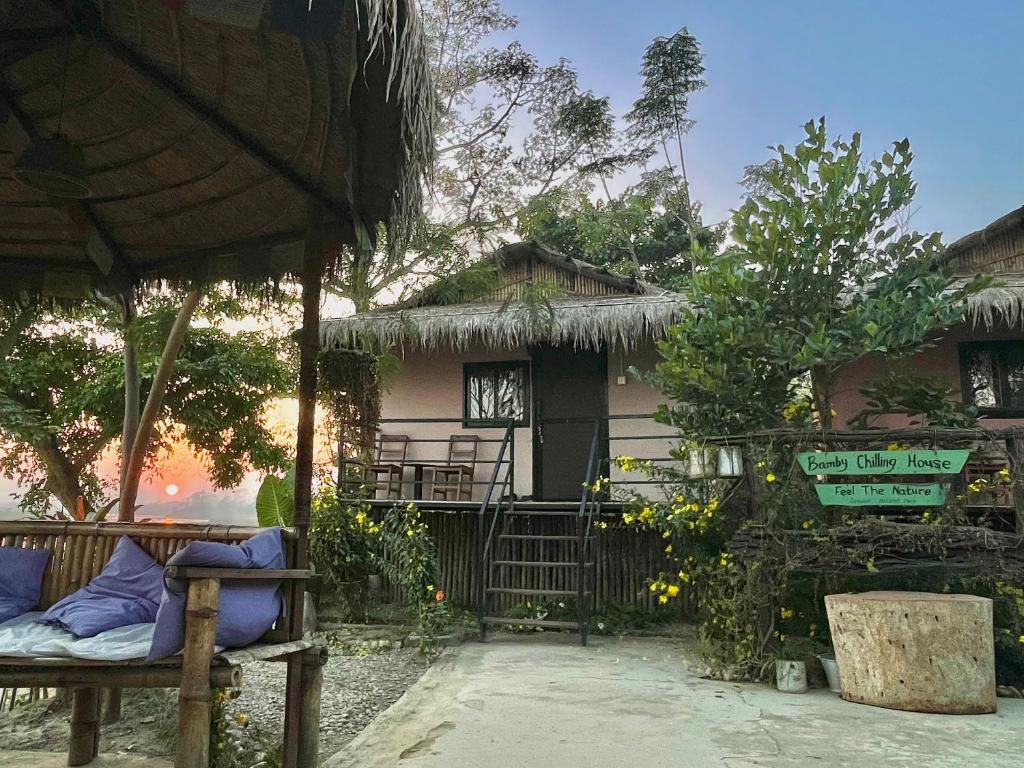
Sauraha village has 30+ budget guesthouses at NPR 1,000–2,500 per night; most include basic meals and can book safari tickets.
Chitwan National Park is open daily from 06:00 to 22:00, including weekends and public holidays. All safari activities must begin and end within these hours.
The park entrance fee for foreign visitors is 2,000 NPR per person per day, paid directly at the park entrance gate in Sauraha. Children under 10 years of age are admitted free with valid passport ID.
The best arrival window for a chitwan national park safari is 06:00 to 08:30. Arriving at this time maximises the chance of spotting greater one-horned rhinoceroses and Royal Bengal tigers before midday heat and tourist crowds build.
Children of all ages are welcome on jeep safaris and canoe rides on the Rapti River. The Elephant Breeding Center and Gharial Breeding Center are particularly engaging for young visitors. Children under 10 enter free with a valid passport.
Neutral, earth-toned clothing — khaki, olive, or tan — is essential for a Chitwan wildlife safari. Bright colours disturb animals; long trousers and sleeves protect against insects and sun in the subtropical Terai environment. Sturdy closed-toe shoes are required for jungle walks.
Personal photography is permitted throughout the park on a Chitwan National Park wildlife tour. Flash photography near animals is prohibited, and drone use requires advance written permission from park authorities.
Tourist buses depart daily from Sorhakhutte in Kathmandu to Sauraha, taking 5–7 hours (approx. NPR 600–900). Alternatively, take a 25-minute domestic flight from Kathmandu to Bharatpur Airport, then a 30–45 minute road transfer to Sauraha.
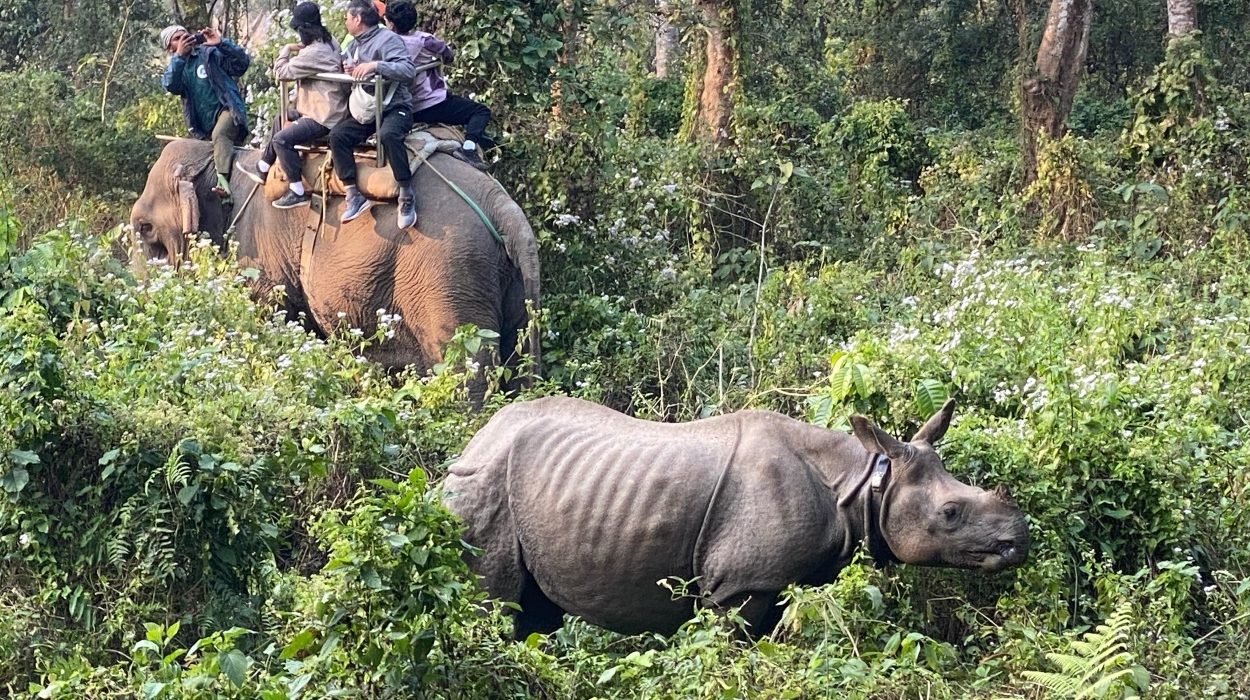
The park is home to greater one-horned rhinoceroses, Royal Bengal tigers (approximately 120 individuals), gharial and marsh mugger crocodiles, Gangetic river dolphins, sloth bears, wild elephants, and over 500 bird species including the endangered Bengal florican.
Jeep safari access inside the core zone can be suspended or redirected to the buffer area during heavy monsoon flooding, typically July–August. The park itself remains open; confirm current conditions with your licensed operator before departure.
Key sites include the Gharial Breeding Center at Kasara, the Elephant Breeding Center near Sauraha, Rapti River canoe routes, Bis Hajaar Tal (the 20,000 Lakes oxbow complex), and the open Chitwan grasslands (terai) used on jeep safaris for rhino spotting.
Park entrance fees of 2,000 NPR per person per day are non-refundable once purchased at the gate. Most licensed safari operators provide a full refund for cancellations made at least 48 hours before departure; confirm the specific policy with your operator at time of booking.
Yes — Chitwan national park safari tours are designed to accommodate all experience levels. Licensed naturalist guides accompany every safari by law, making the experience safe and informative for first-time visitors to Nepal's jungles.